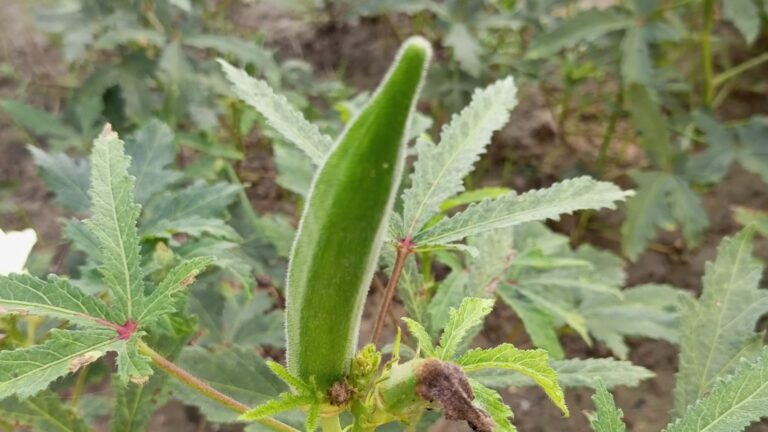
Asian okra, also known as bhindi or lady finger, is a popular vegetable in many Asian cuisines. This slender, green pod is prized for its unique texture and mild flavor. Rich in nutrients and versatile in cooking, bhindi can be prepared in a variety of ways, from stir-frying to deep-frying or even adding to curries.
In today's article, we are excited to delve into the fascinating world of Indian okra, commonly known as Lady Finger or Bhindi. This vegetable holds a special place in Indian cuisine, renowned for its unique texture and flavor. We encourage you to stay with us until the end of this piece to uncover all the insights and nutritional benefits related to Bhindi.
Okra is celebrated not only for its culinary versatility but also for its health benefits. This vegetable is particularly popular in various regional dishes across India and is an integral part of many traditional recipes. It is often used in stir-fries, curries, and even as a crispy fried snack.
Nutritionally, Lady Finger is a powerhouse. It is loaded with essential vitamins and minerals, making it an excellent choice for a healthy diet. Okra is rich in Vitamin A, which is crucial for maintaining good eyesight, as well as Vitamin C, known for its immune-boosting properties. Additionally, it contains Vitamin B-6, vital for brain health and cognitive function.
Moreover, this green vegetable is a good source of calcium and magnesium, which are important for maintaining strong bones and supporting overall bodily functions. Okra is also high in dietary fiber, which aids in digestion and helps to regulate blood sugar levels.
Overall, bhindi is not just a tasty addition to meals; it is packed with nutrients that contribute to a balanced diet. So, whether you enjoy it sautéed, in a curry, or as part of a salad, incorporating okra into your meals can be both delicious and beneficial for your health. Stay tuned as we explore more about this amazing vegetable!